Long-standing academic and scientific exchanges
Regular bi-lateral student exchanges
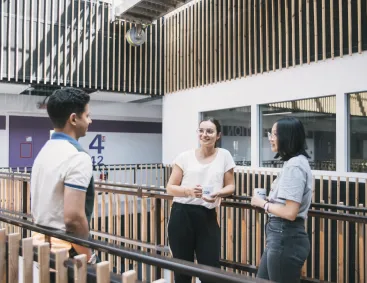
The partnerships with the universities of Tokyo, Keio and Tohoku are part of a relationship of trust. They offer Centrale Lyon students a pallet of exchange arrangements adapted to each stage of the engineering curriculum: semester-long academic exchange, third year abroad or even double degree.
Each year, a dozen or so students go on exchange, third-year or double-degree programs, and some go on to do a cotutelle thesis with one of these partner universities. These mobilities, which work in both directions, strengthen lasting links between the establishments and help to train engineers with genuine international experience.
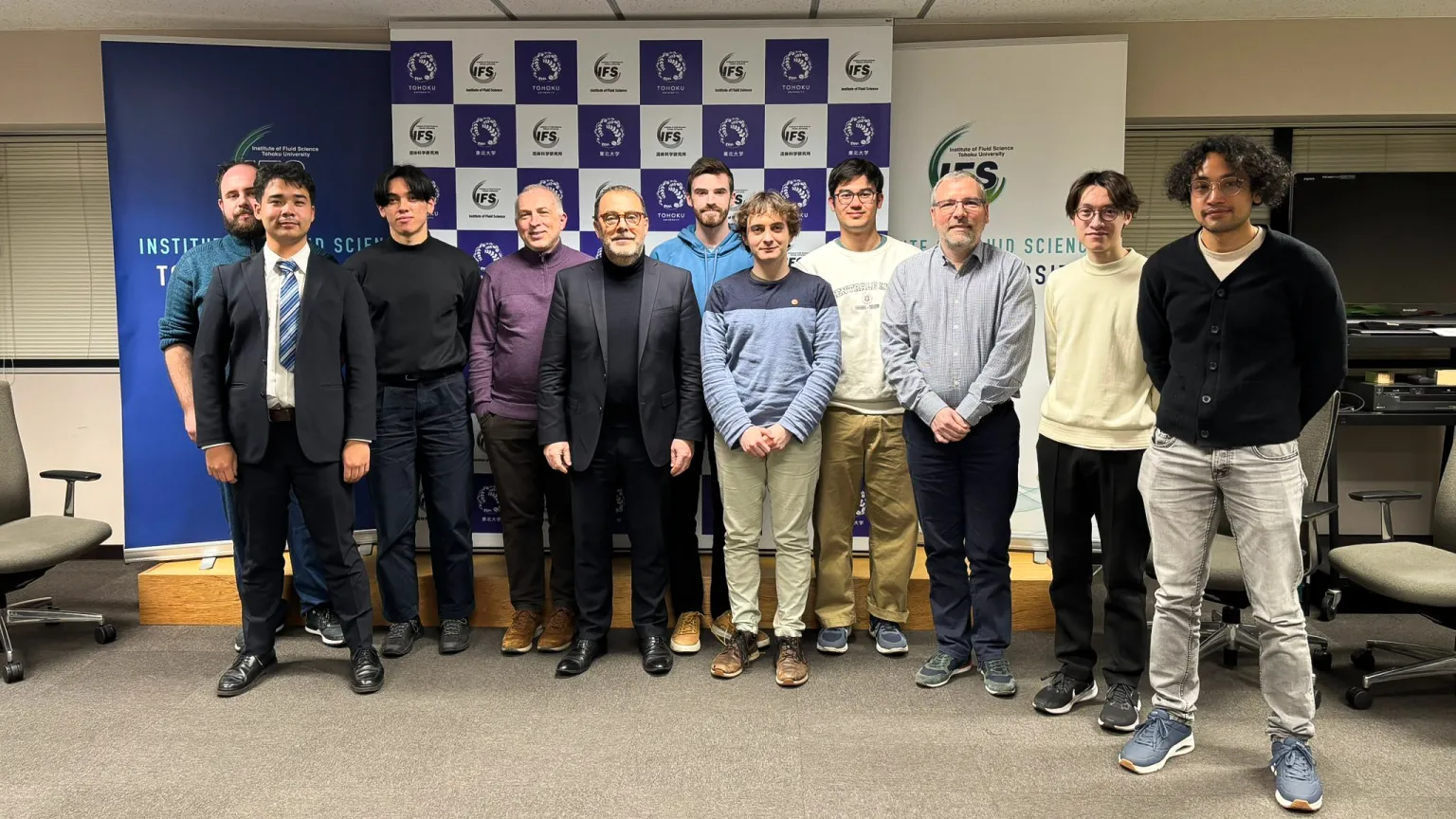
The March 2026 mission was an opportunity to exchange with the academic managements of the three universities and to meet up with students on mobility. At Keio, whose partnership with the Écoles Centrale Group is celebrating its twentieth anniversary, a meeting with Dr. Emiyu Ogawa, a Keio-Centrale Lyon double graduate, illustrated what these paths can produce: she is now launching her own research team on optical diagnostic and processing systems. At Tohoku in particular, three of the double diploma students announced that they would be pursuing a thesis in Japan, including one in cotutelle with Centrale Lyon.
A well-established alumni community in Japan
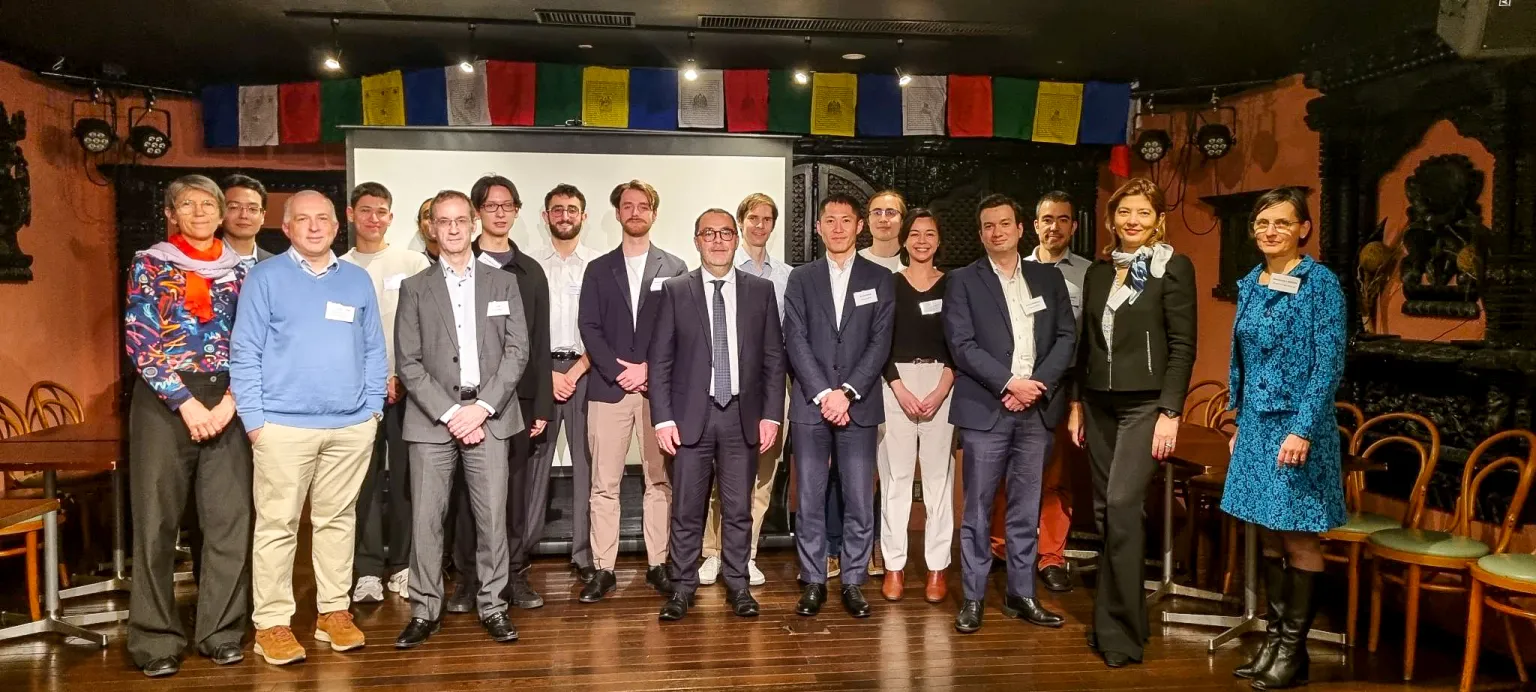
More than fifteen alumni based in Tokyo accepted Pascal Ray's invitation to exchange views on the school's evolution and share their career path in Japan. Several of them paid tribute to their former Japanese teacher at Centrale Lyon, to whom they attribute their envy of the archipelago. Among them, Jun Younes Louhi Kasahara, a Centrale Lyon graduate who is now an associate professor at the University of Tokyo, illustrates the diversity of trajectories that such mobilities can open up.
The mission then continued on to Sendai, where the delegation joined teams from Tohoku University for the annual workshop and the ELyTMaX ten-year anniversary ceremony; two events that served as a reminder of the breadth of Franco-Japanese scientific cooperation.
Ten years of ELyTMaX, forty years of cooperation
Research links between Centrale Lyon and Japan date back to the 1980s. They took institutional form in 2008 with the creation of the ELyT International Associated Laboratory, before evolving in 2016 into two complementary structures: the international research network IRN ELyT Global and the joint Franco-Japanese laboratory IRL ELyTMaX, dedicated to materials and systems under extreme conditions. Today, ELyT Global federates some fifty research projects and over 150 researchers from about forty laboratories in France, Japan and several partner countries, around three key themes: transport, energy and engineering for health.
.
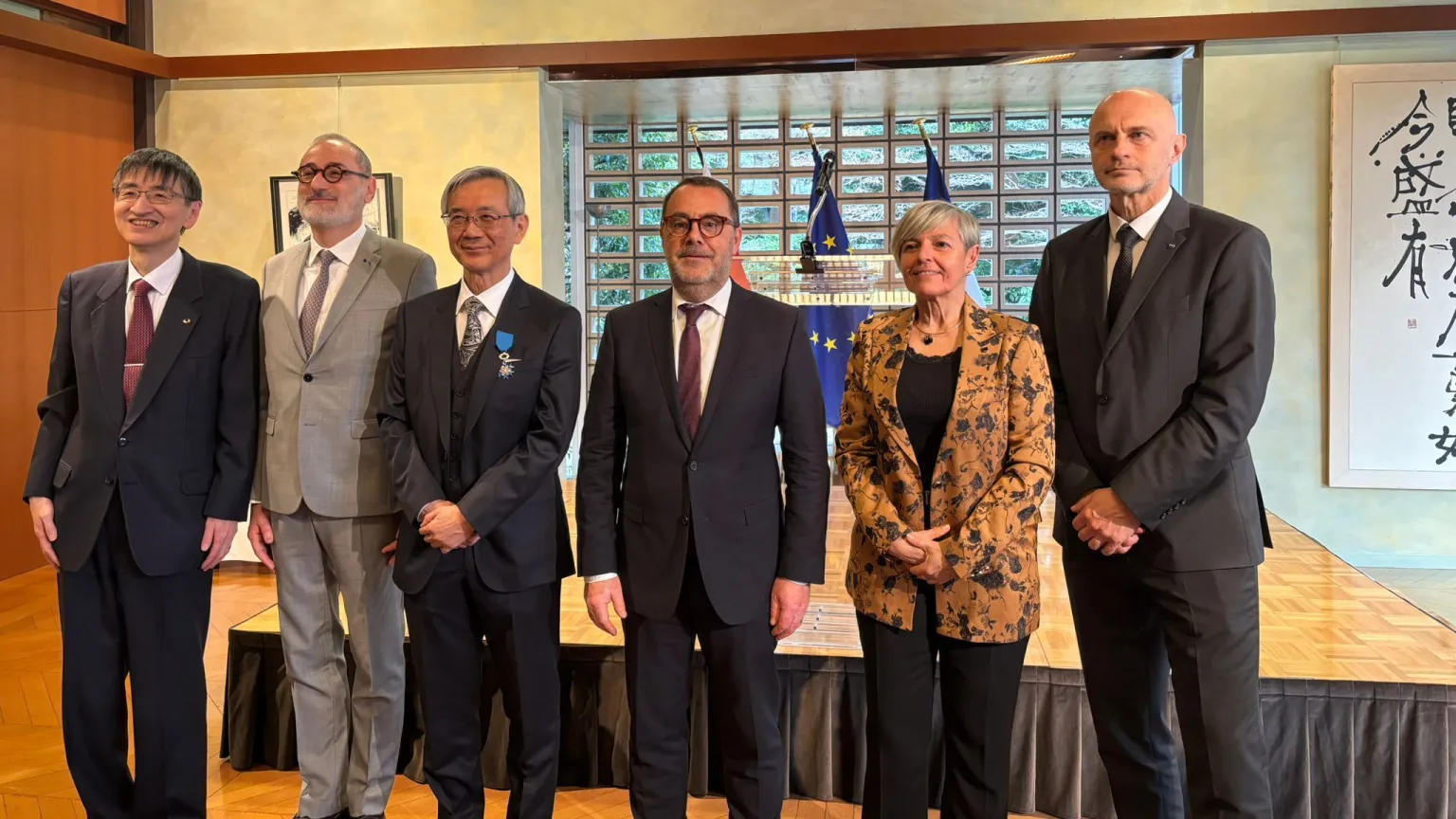
On March 9, the ceremony marking the tenth anniversary of ELyTMaX featured a highlight: Béatrice Le Fraper du Hellen, France's ambassador to Japan, presented the insignes de chevalier de l'ordre national du Mérite to Professor Takagi, the linchpin behind the launch of this collaboration. This recognition from the French state testifies to the place this partnership occupies in Franco-Japanese scientific relations. Among the projects presented was the prediction of intracranial aneurysm, developed on the basis of the school's expertise in vessel mechanics.
A visit to the Tohoku laboratories illustrated the thematic diversity of the partnership, from tribology to biomechanics via magnetic materials and surface treatment, right through to the discovery of the brand-new Nanoterasu synchrotron. The ELyT School summer school, held alternately in France and Sendai since 2009, completes this scheme, bringing together every year about forty students fromTohoku University, INSA Lyon and Centrale Lyon around research projects and laboratory visits.
Cooperation that shapes and lasts
Beyond the numbers, these partnerships can also be read in individual career paths. Benjamin Leflon, who graduated from Centrale Lyon in 2022, attended ELyT School in 2019 before defending a thesis at Tohoku University in 2026 and landing his first job in Kobe. A career path that illustrates what this cooperation makes possible over the long term, for students and institutions alike.